SHERIDAN, WYOMING – December 8, 2025 – Donating blood for the first time can feel like a huge step, but with a little preparation it quickly turns into one of the simplest, most powerful ways to help others. Think of it as a short appointment, a snack, and a quiet moment to yourself that could make a life-changing difference for someone else.
Getting Ready: Your New Blood Donor Checklist
When you know what to expect, the nerves tend to fade. That’s why a simple checklist is your best friend before your first donation. Start with the basics: where you’ll go, what you’ll drink and what you’ll eat.
You can use a nearby blood drive at work, at school or in your community, or schedule a visit that fits perfectly into your day. Your comfort comes first, and if convenience helps you feel calm, online tools like the Be The 1 donor website can help you find a location that works for you.
Before you head out, there are a few easy but important steps:
- Find a blood donation location that fits your schedule and comfort level.
- Drink two big glasses of water before your visit.
- Eat a good meal beforehand – ideally including some iron-rich foods if you can.
- Refresh your memory about your medical history, medications and recent travel.
- Remember: if you’ve heard myths about tattoos and donating, you can relax – don’t worry about having a tattoo.
You’ll be asked a few standard screening questions when you arrive, so having your basic health background in mind makes that part smoother and quicker.
What Happens During Donation Day
Once you’re checked in, the donation itself is surprisingly short. The actual time you spend giving blood is only about 10 minutes. The staff will help you get comfortable, explain what’s going to happen and keep an eye on you the whole time.
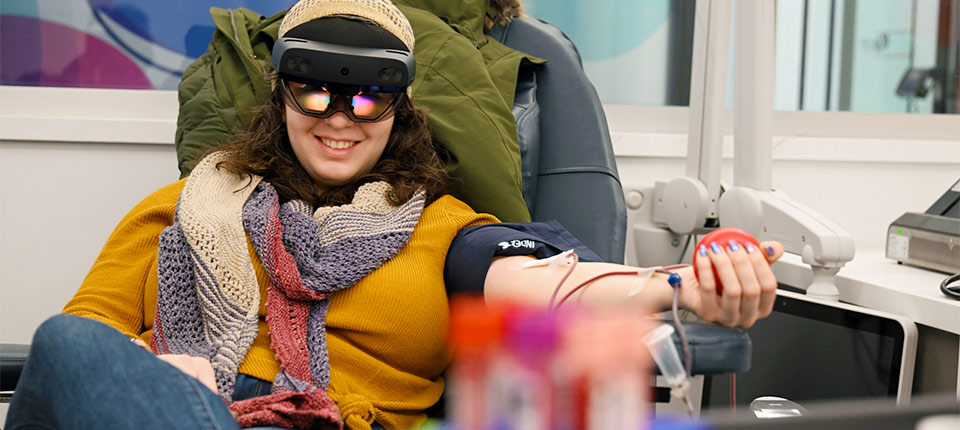
Many donation centers also try to make the experience more relaxing and even a little bit fun. At some locations, you can try a mixed reality experience with a headset that puts you in a soothing virtual world while you can still see what’s happening around you. It’s a small touch that can help first-timers feel more at ease and turn those few minutes into a mini mental break.
Afterward, you’ll rest for a bit, enjoy a post-donation snack and drink, and let your body recover. It’s a great moment to feel proud of what you’ve just done: quite possibly one of the easiest ways to help save a life.
Staying Safe, Comfortable and Confident
First-time donors often worry about how they’ll feel, but simple habits go a long way. Drinking water beforehand, having a meal, and taking it easy for the rest of the day are all part of a smart routine. If you feel nervous, bringing a friend, listening to music or focusing on your breathing can help you stay calm.
You’ll also be guided every step of the way by trained staff who do this every day. They’re there to answer questions, check how you’re feeling and make sure the experience is as smooth as possible. Once you’ve done it once, it’s much easier to say “yes” the next time.
Mini FAQ: First-Time Blood Donation
- How long does it take to donate blood?
The actual donation usually lasts about 10 minutes, with a bit of extra time for check-in and post-donation rest. - What should I do before my appointment?
Drink two big glasses of water, eat a meal (ideally with some iron-rich foods), and be ready to answer basic health and travel questions. - Can I donate if I have a tattoo?
If you’ve heard that tattoos are always a problem, don’t panic – don’t worry about having a tattoo. Screening staff will let you know if your specific situation is okay. - How often can I donate?
You can typically donate up to six times a year, so once you’re comfortable, regular appointments can become part of your routine.
Turning One Donation into a Habit
The first time you donate is the biggest mental hurdle. After that, the routine feels familiar: find a drive or center, hydrate, eat, donate, snack, repeat. Before you leave, it’s a smart idea to schedule your next appointment so you don’t lose momentum. For you, it’s just another slot in the calendar. For someone else, it could mean getting the blood they urgently need.
As the article says, becoming a new blood donor is no biggie – but for the people you’re helping, it means the world. Learn more about health, diagnostics and how you can help at https://www.abbott.com/.