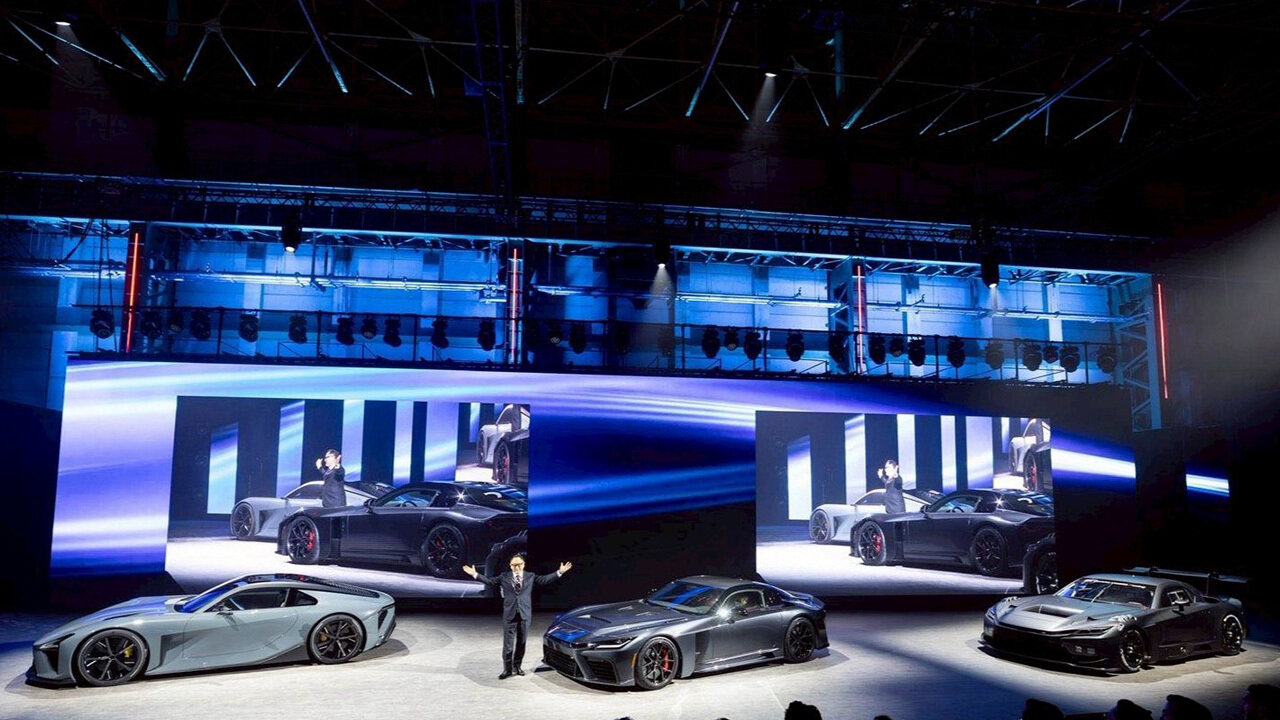
SHERIDAN, WYOMING – December 19, 2025 – Toyota didn’t present its new sports models like a typical “bigger, faster, louder” launch. Instead, the world premiere on December 5 at the Woven City Inventor Garage in Susono, Shizuoka, leaned into something more human: the craft of making cars, the pressure of being judged, and the stubborn decision to keep improving even when it would be easier to play it safe.
A Japanese Ritual That Explains the Mindset
The story begins with Shikinen Sengu at Ise Jingu in Mie Prefecture, where a shrine is rebuilt every 20 years and sacred objects are moved from old to new. The shrine’s own explanation reads like a mission statement for any craft worth protecting: “The history of Japan and the spirit of our ancestors must never be cast aside. We must continue to safeguard those things that need to be preserved for the future. Doing so is more difficult than embracing change, and more important.”
For everyday readers, that idea lands because it’s not only spiritual—it’s practical. Real quality doesn’t magically stay alive; it gets rebuilt, handed down, and re-earned again and again. Toyota is basically saying: sports cars aren’t a side hobby, they’re one of the ways the company keeps its “how to build” instincts sharp.
Sports Cars As Skill-Carriers, Not Just Status Symbols
Toyota draws a direct line from that ritual to its performance culture. Back in 2009, then-Vice President Akio Toyoda, aka Morizo, compared sports car development to Shikinen Sengu, framing it as something that must be renewed so the skills don’t fade.
The source points to 1967, when Toyota launched sports models like the 2000GT and 1600GT, and a junior mechanic named Hiromu Naruse was working on them. Forty years later, Naruse-san is described as the master craftsman passing expertise to younger engineers, mechanics, and drivers. In a world that loves shortcuts, that kind of long apprenticeship story feels almost radical—and kind of inspiring.
Why This Matters Even If You’ll Never Buy a Track Toy
There’s also a practical promise hidden inside the romance: what gets proven in extreme projects can eventually shape more everyday cars. Toyota points to breakthroughs such as carbon materials, functional components, and “technologies that allow a car to turn or stop safely even when driving at speeds of 300 km/h.” Even if you never see 300 km/h, the logic is familiar—advanced safety and control don’t stay locked in one corner forever.
And the bigger mindset is crystal clear in the 2009 quote: “Rather than abandoning development because “times are bad,” I think it’s vital that, even in times like these, we look to the future and continue to pass on our skills and technologies.” That’s the emotional hook: don’t pause the craft just because the world gets complicated.
The Sting That Became Fuel
At the premiere, Chief Branding Officer (CBO) Simon Humphries stepped on stage and framed the moment around kuyashisa--humiliation. His point is painfully relatable to anyone who has created something and watched it get dismissed: “I have been working as a designer for 36 years, and I can honestly say that as a designer, there is nothing more painful than being told that what you have put your heart and soul into is boring.”
Then came the line that still stings 14 years later: “Lexus is boring.” In Toyota’s telling, that wasn’t just an insult—it became a turning point.
Chairman Toyoda also tied that moment to a harder internal truth about past priorities, saying, “I believe this stemmed from our oversized ego as a manufacturer that led us to believe we could sell whatever we made.” If you’re a reader who’s tired of perfect corporate confidence, this hits different: it’s not just selling a car—it’s admitting how pride can flatten creativity.
Mini FAQ
Q: What is Toyota trying to prove with this premiere?
A: That sports models are part of “ever-better carmaking,” and that preserving craft and emotion is a deliberate choice, not an accident.
Q: Why talk about “humiliation” at a car event?
A: Because Toyota is framing criticism as fuel—especially the moment when Akio was told, “Lexus is boring.”
Q: What’s the takeaway if you drive something totally normal?
A: The claim is that breakthroughs and skills developed at the limit can influence the wider cars people buy and live with.
Learn more about Toyota’s performance world at https://toyotagazooracing.com/.